Guide
OpenAI Ads, ChatGPT Ads and the Rise of Advertising in AI Conversations
The future of AI advertising extends beyond any single platform. Find out why
- Published
- Aug 2026
- Reading time
- 4 min
For more than two decades, digital advertising has revolved around search engines, social networks and websites. Brands reached users through keywords, audiences, interests and browsing behaviour. Today, however, a new interface is rapidly gaining attention: the conversational interface.
Millions of people now ask AI assistants for recommendations, product suggestions, travel advice and purchasing decisions. Instead of opening ten tabs and comparing options manually, users increasingly expect AI to do the research for them. As this behavioural shift accelerates, a natural question emerges: what will advertising look like inside AI conversations?
The discussion is often framed around terms such as OpenAI Ads or ChatGPT Ads, but the reality is much broader. The future of AI advertising extends beyond any single platform. Thousands of AI applications, assistants, copilots and agents are being built across every industry, creating an entirely new advertising ecosystem.
From Search Queries to Conversations
Traditional search advertising is built around keywords. A user types a query, a search engine interprets it, and advertisers bid for visibility.
AI conversations operate differently. Users provide significantly more context about what they want, why they need it and what constraints they have. Someone looking for a CRM, for example, no longer searches for "best CRM". They might ask:
"What CRM would you recommend for a 50-person B2B SaaS company already using HubSpot?"
The conversation contains far richer intent than a traditional search query. For advertisers, this creates an opportunity to deliver recommendations that are more relevant, timely and useful.
This is why conversational advertising is increasingly being viewed as a distinct category rather than simply an extension of search advertising.
What OpenAI Ads Could Look Like
Much of the market's attention is currently focused on the possibility of advertising within major AI platforms. While different providers are exploring different monetisation strategies, the underlying concept remains the same: sponsored content delivered inside AI-generated experiences.
Unlike traditional display advertising, conversational ads can adapt to the context of the discussion. The placement becomes part of the interaction rather than an interruption to it.
As the ecosystem evolves, advertisers will increasingly need tools designed specifically for AI-native media buying.
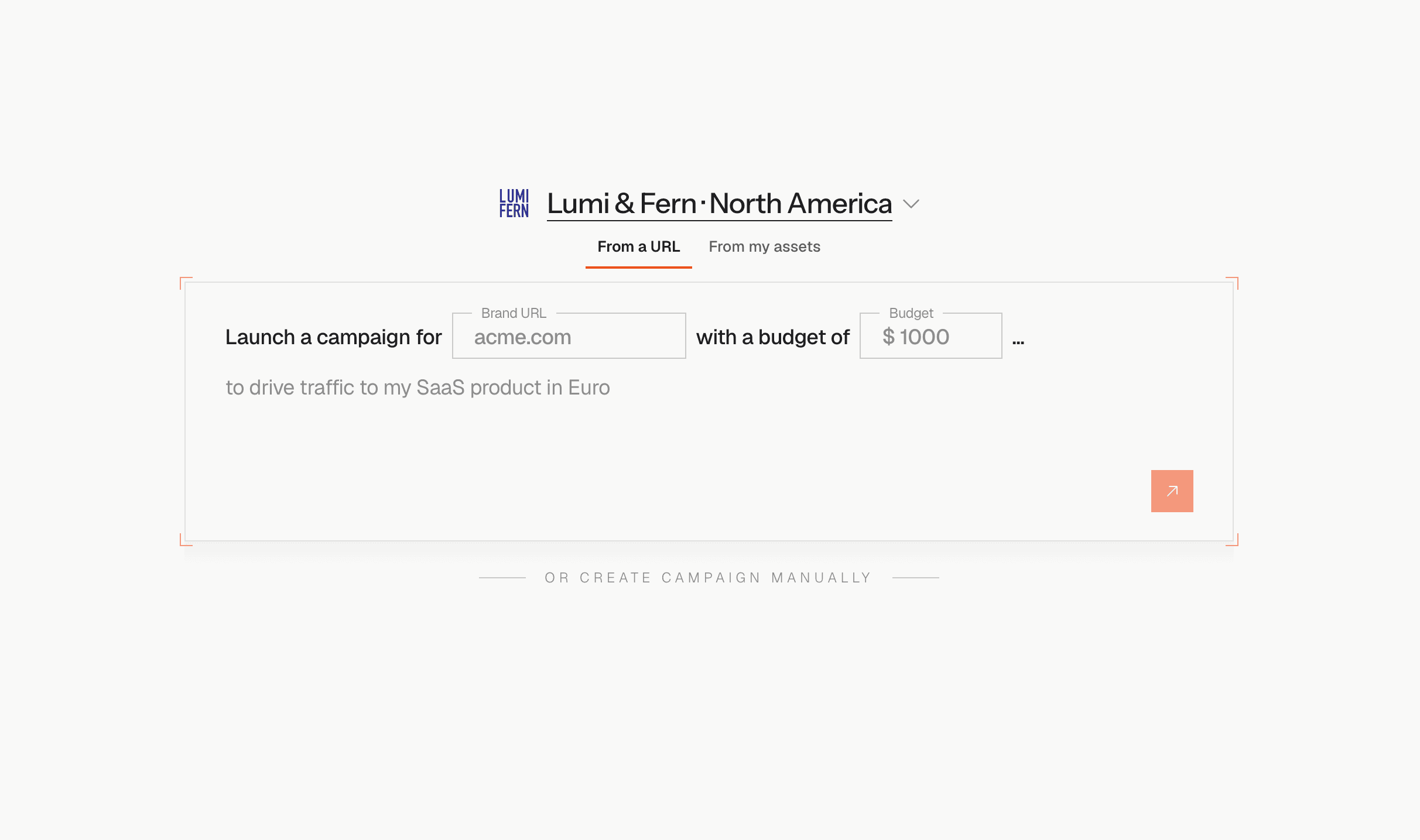
Creating an advertising campaign designed for AI conversations requires a different approach than traditional search or social advertising. Campaigns can be configured around conversational intent, contextual relevance and user interactions rather than audience segments alone.
The emergence of dedicated AI advertising platforms reflects the growing need for infrastructure built specifically for conversational environments.
Building an Advertising Infrastructure for AI
One of the biggest misconceptions surrounding ChatGPT Ads and OpenAI Ads is that AI advertising will be limited to a handful of large platforms.
In reality, the long-term opportunity may lie in the broader network of AI applications that are emerging across industries such as education, travel, productivity, healthcare, research and commerce. Collectively, these applications generate millions of conversations every day and represent a new form of advertising inventory.
This is where advertising infrastructure becomes important.
Rather than building advertising systems independently, AI publishers increasingly need technology that allows them to monetise conversations while maintaining control over user experience, ad frequency and contextual relevance. At the same time, brands need a way to reach users across multiple AI environments through a single buying platform.
The result is the emergence of a new category: advertising infrastructure for AI conversations. Thrad is one of the companies positioning itself within this category, enabling advertisers to buy placements across AI experiences and publishers to monetise conversational traffic.
Measuring Performance in AI Advertising
As with every new advertising channel, measurement will determine adoption.
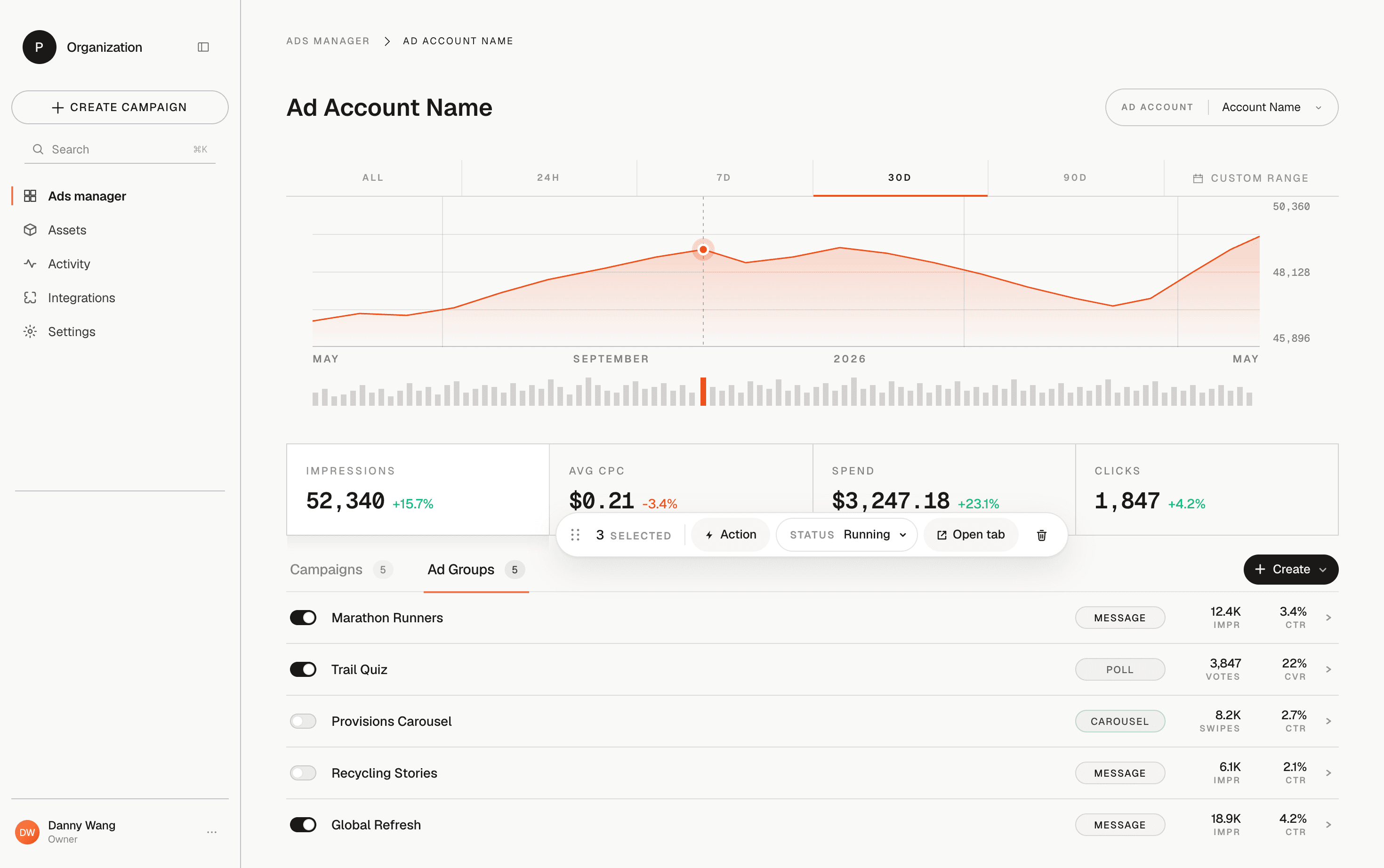
Brands need visibility into impressions, clicks, engagement and conversions before they are willing to allocate significant budgets to a new medium. This requirement is driving the development of analytics environments specifically designed for AI advertising.
Performance measurement remains critical for advertisers evaluating the effectiveness of conversational advertising campaigns. Metrics such as impressions, clicks, CTR, CPC and conversions provide the same accountability expected from established channels.
As AI advertising matures, reporting standards are likely to become increasingly similar to those already used in search and social media advertising, while incorporating additional conversational signals unique to AI interactions.
Why Context Matters More Than Demographics
One of the most interesting aspects of advertising in chatbots is the shift from audience-based targeting to context-based targeting.
Traditional advertising often relies on demographic assumptions, behavioural data or historical browsing activity. Conversational advertising introduces a different signal: what the user is actively discussing at that exact moment.
When someone asks an AI assistant for travel recommendations, software suggestions or product advice, the conversation itself becomes a powerful indicator of intent.
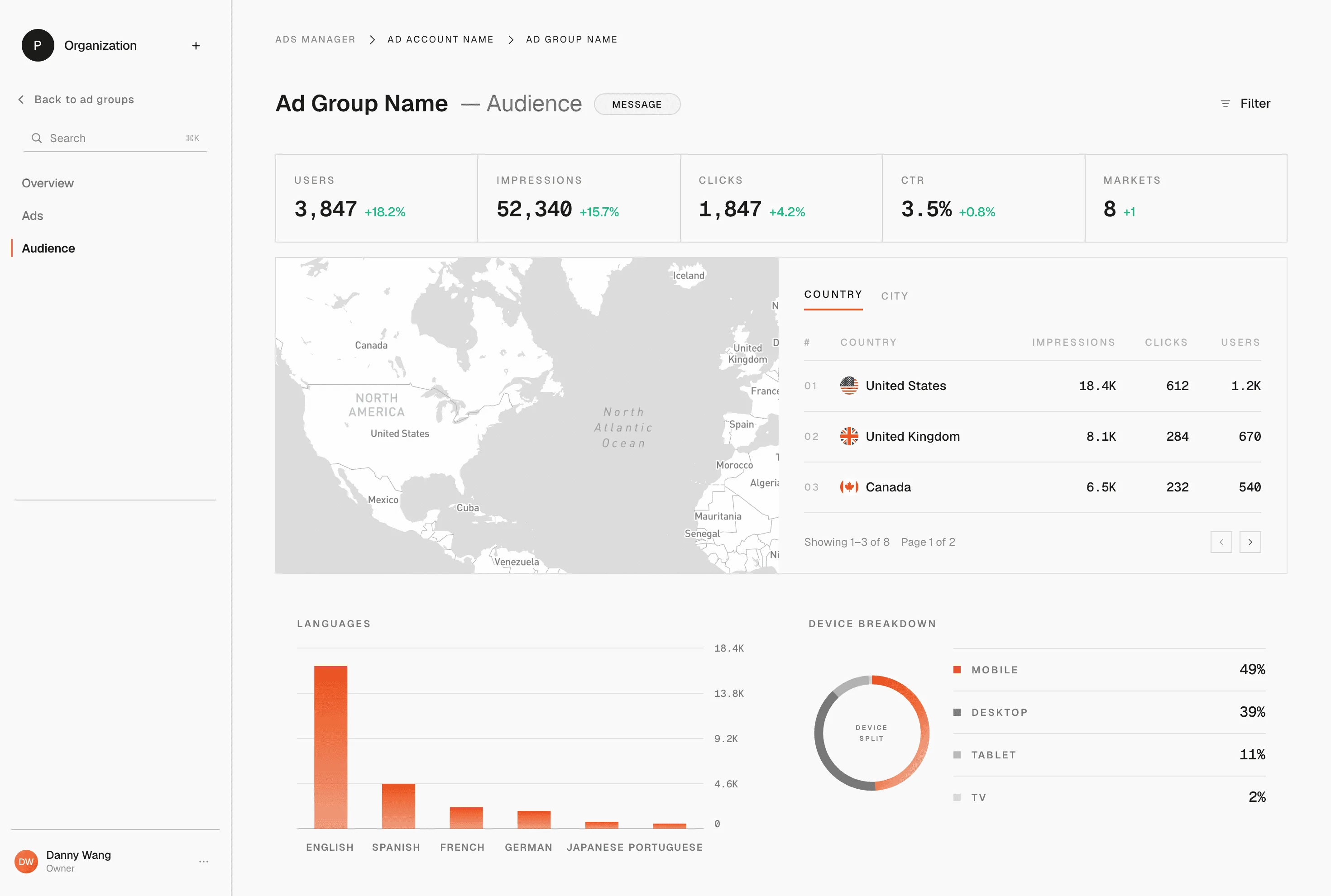
Audience and conversation analytics provide visibility into where engagement is occurring, which markets are responding most effectively and how users interact with conversational advertising experiences.
This contextual understanding may ultimately become one of the defining advantages of AI-native advertising.
The Future of Ads in Chatbots
The evolution of advertising has historically followed user attention. As audiences moved from desktop websites to mobile apps, advertising followed. As they moved to social platforms, advertising followed again.
Today, attention is increasingly shifting toward advertising in AI conversations.
Whether the industry refers to them as OpenAI Ads, ChatGPT Ads, LLM Advertising or Conversational Advertising, the underlying trend remains the same: AI interfaces are becoming an important environment for discovery, recommendation and decision-making.
For publishers, this creates a potential monetisation model that does not rely exclusively on subscriptions. For advertisers, it creates access to some of the richest intent signals available anywhere on the internet.
And for the broader ecosystem, it signals the emergence of a new advertising layer built specifically for the conversational web.
Common questions
- What are OpenAI Ads?
OpenAI Ads generally refer to advertising experiences delivered inside AI-powered conversational interfaces. These may include sponsored recommendations, contextual product suggestions, promoted prompts, or other native ad formats integrated into AI interactions.
- Can brands advertise in ChatGPT?
Advertising options within ChatGPT itself are currently limited compared to traditional advertising platforms. However, brands can already reach users across a broader ecosystem of AI applications and chatbots through emerging AI advertising platforms.
- How do ads in chatbots work?
Ads in chatbots are typically matched to the context of a conversation rather than to cookies or browsing history. The advertising system analyzes the user's intent and delivers sponsored content that is relevant to the topic being discussed.
- What is an AI advertising platform?
An AI advertising platform enables brands to buy advertising inventory across AI-powered applications and allows AI publishers to monetize conversations through native advertising formats such as sponsored messages, carousels, prompts, and interactive experiences.